The wholesale plant supply process for landscape architects and contractors: preparing the request list, stock confirmation, size/pot standards, loading and export.
Plant supply for a landscape project means matching the plant schedule on the drawing with real stock in the field. The process starts with a well-prepared request list and ends with a correctly packed shipment. Below are the steps that speed things up when buying from a grower.
1. The request list
Each line should carry:
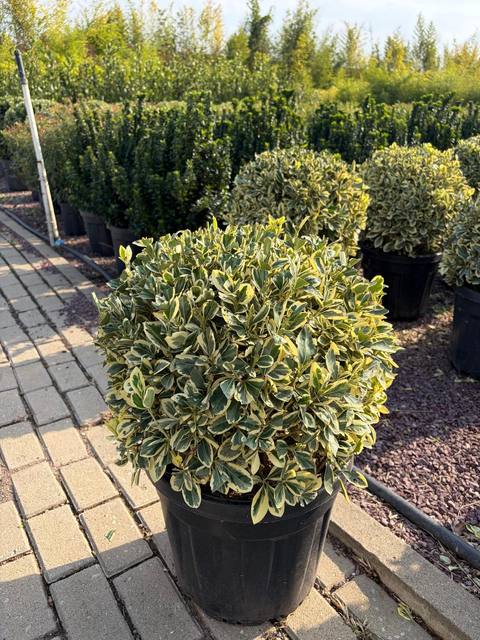
- Botanical name and cultivar: Euonymus japonicus 'Aurea', not just "spindle". The cultivar name is the guarantee of colour and habit.
- Height or pot size: 9×9×8 cm liner, 3 litre, 20 litre; for trees the trunk girth (e.g. 10–12 cm).
- Quantity and, where relevant, form (ball, column, standard, pom-pom).
- Delivery place and date. Container stock is flexible on dates, but planning against the site programme still matters for loading.
The height and pot data in the catalogue can serve as a reference when drafting the list; the 2026 catalogue is also available as a PDF.
2. Stock confirmation and samples
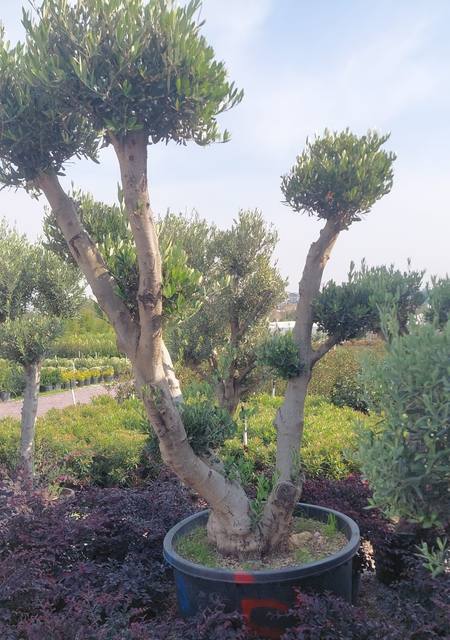
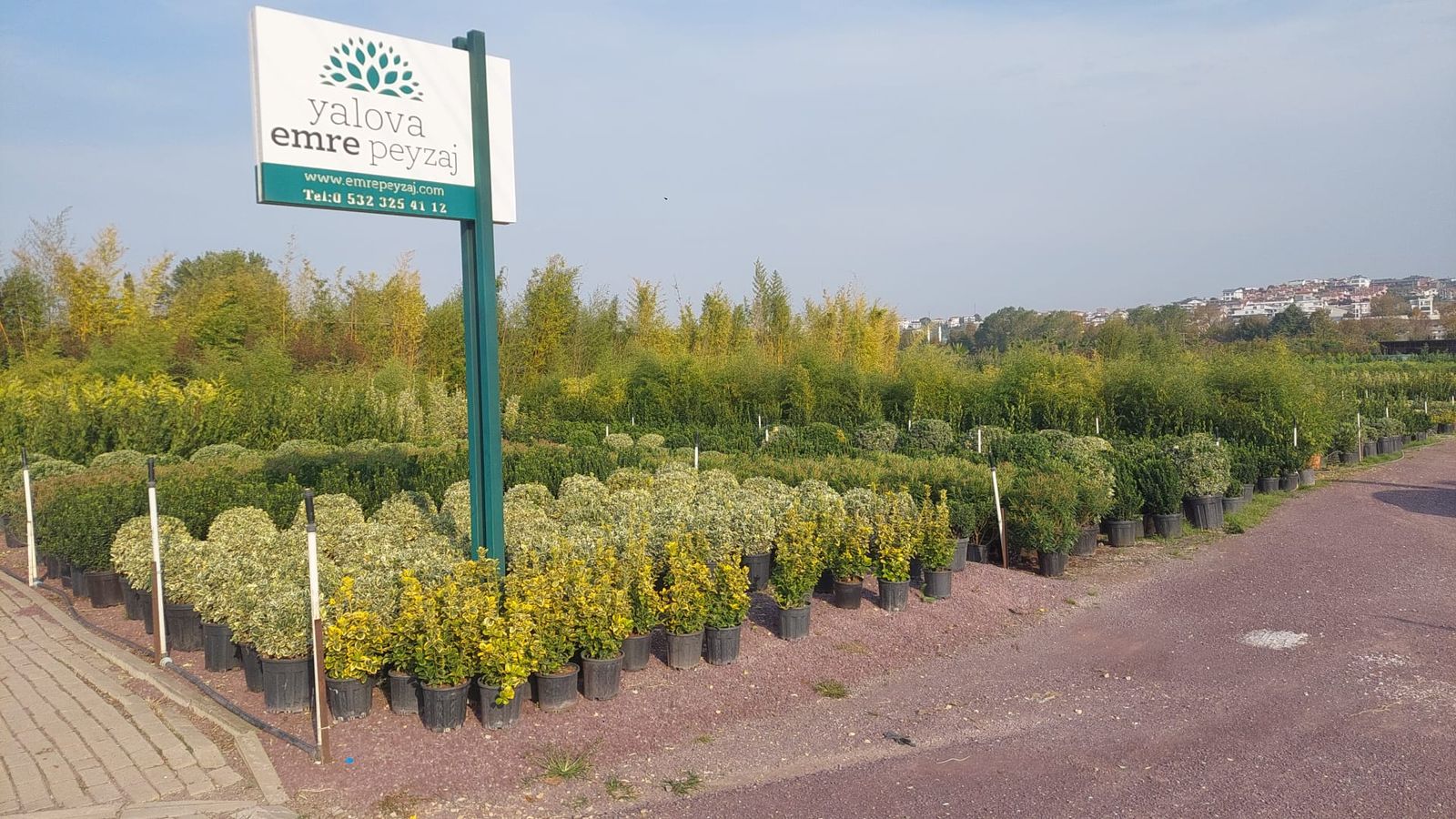
The grower checks the list against the sizes and quality currently in the plots and confirms. For high-quantity lines and specimen trees, asking for current photographs or a site visit before ordering is the safest route. Our production area is inside Yalova Garden, a few minutes from Yalova town centre; visitors are always welcome.
3. Alternatives and equivalents
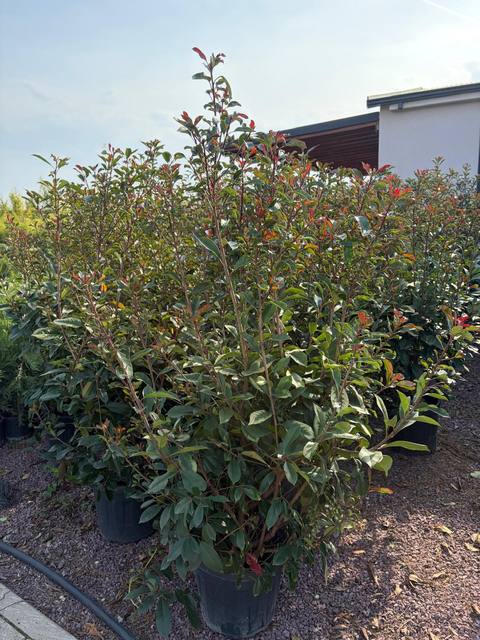
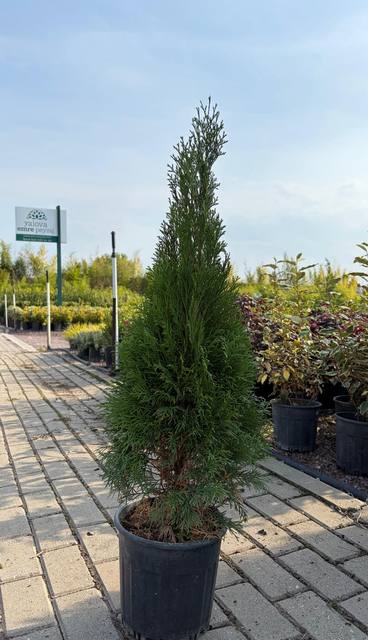
If the specified species is not available in the required size that season, there are two routes: a size up or down of the same species, or an equivalent species with the same function. For example Photinia 'Little Red Robin' for 'Red Robin', or a narrow Leyland cypress for Thuja 'Smaragd'. Taking this decision together with the project's designer prevents disputes after installation.
4. Loading and transport
Container plants travel in closed or curtain-sided trucks with pots upright and packed tight. Conifers over 2 m are laid down and their branches tied in. In summer, loading happens early morning or evening and plants are watered just before dispatch. Count and inspect on unloading; any issue should be reported the same day.
5. Export
International shipments involve phytosanitary certification, growing-medium requirements and, for some species, additional conditions depending on the destination. Because these vary by country and species, they are clarified together at the order stage. Emre Peyzaj supplies customers in the Middle East, Africa and the Turkic republics.
Getting in touch
Send your list by WhatsApp or e-mail: +90 532 325 41 12 · info@emrepeyzaj.com. Prices and availability are given on request; no prices are published on the catalogue pages.